
Healthy mouths. Happy people. That’s what we do.
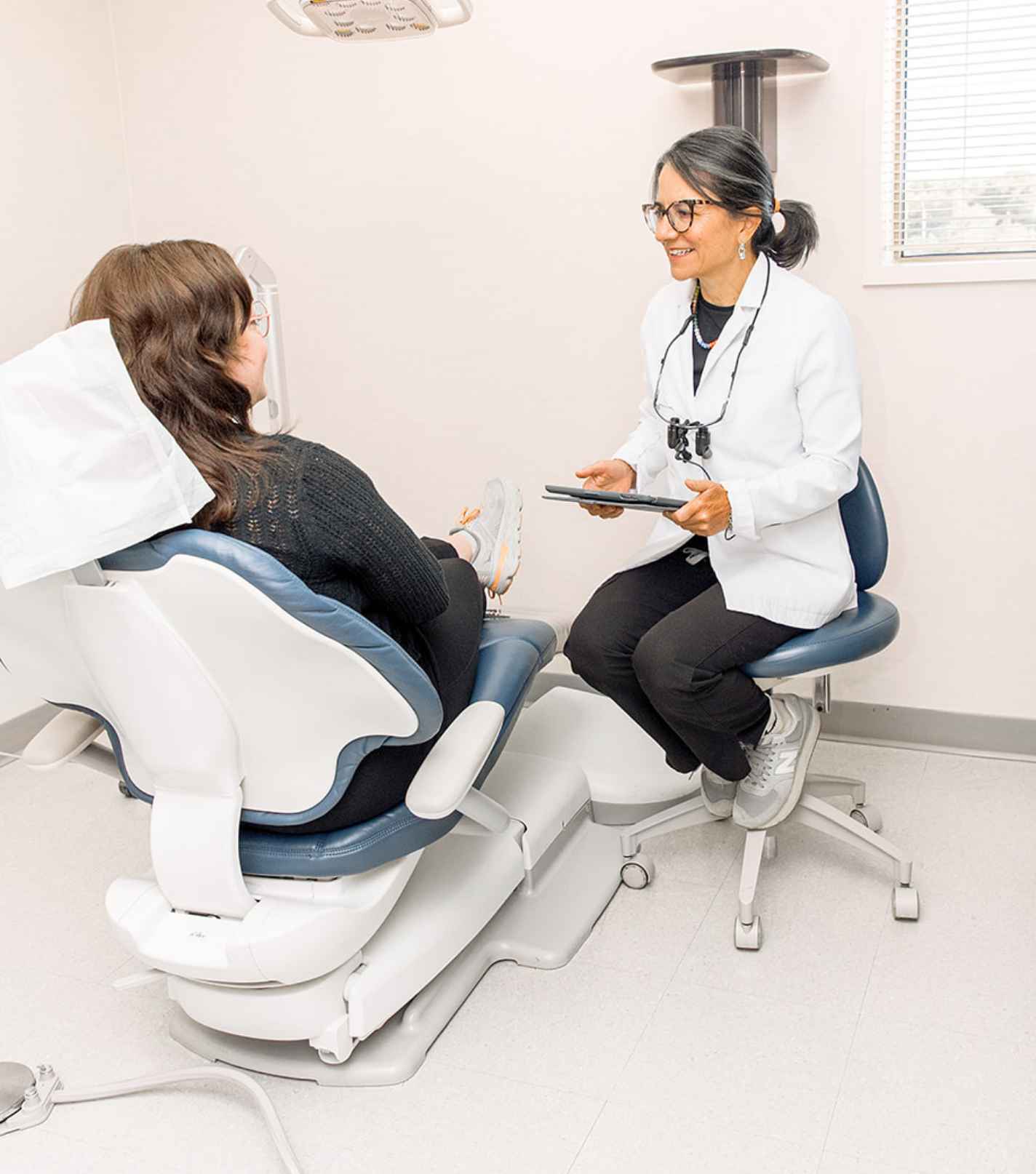
At Wayzata Periodontics & Implants, we are dedicated to helping you preserve your natural teeth, support your dental implants, and maintain a healthy foundation for a lifetime of confident smiles. Whether you’ve had an unexpected injury—like an unlucky encounter with a hockey puck—or you’re dealing with gum disease, we’re here when your teeth need more specialized care than a general dentist can provide.
Our focus is on protecting and restoring the health of your gums and the structures that support your teeth. Through specialized periodontal treatments, we address concerns such as gum disease, bone loss, and gum recession; issues that can impact not only your smile, but your overall health.
PROCEDURES:
- Non-surgical Periodontal Treatment
- Laser-Assisted Periodontal Surgery
- Soft Tissue Grafting
- Bone Grafting
- Crown Lengthening
- 3D imaging
- Guided Biofilm Therapy – Regular Maintenance
- Diagnosis and Treatment of Periimplantitis
- Oral Diagnosis and Biopsies
- Extractions
POST SURGICAL INSTRUCTIONS:
Non-sugical Periodontal Treatment
In some cases, gum health can be improved with non-surgical care. Non-surgical Periodontal Treatment is focused on managing and treating gum disease without surgery. The most common treatment is scaling and root planing. As part of this process plaque and calculus (tartar) are removed from deep periodontal pockets and the root is smoothed to remove bacterial toxins. In addition to primary treatments like scaling and root planing, some patients may benefit from supplemental therapies such as locally delivered antimicrobials or systemic antibiotics. These treatments can enhance results. As always, maintaining good oral hygiene—regular brushing, flossing, and professional cleanings—is essential for long-term success.
Benefits of Non-surgical Periodontal Treatment
Less Invasive:
Compared to surgical treatments, non-surgical methods are generally less invasive and involve less discomfort for the patient.
Faster Healing:
Non-surgical treatments can promote faster healing and gum tissue regeneration.
Cost-Effective:
Non-surgical options are often more affordable than surgical procedures, according to some dental professionals.
Effective for Mild to Moderate Periodontitis:
Non-surgical treatment is effective for managing mild to moderate gum disease.
Non-sugical Periodontal Treatment
Laser-Assisted Periodontal Surgery (LAPS)
Laser-Assisted Periodontal Surgery (LAPS)
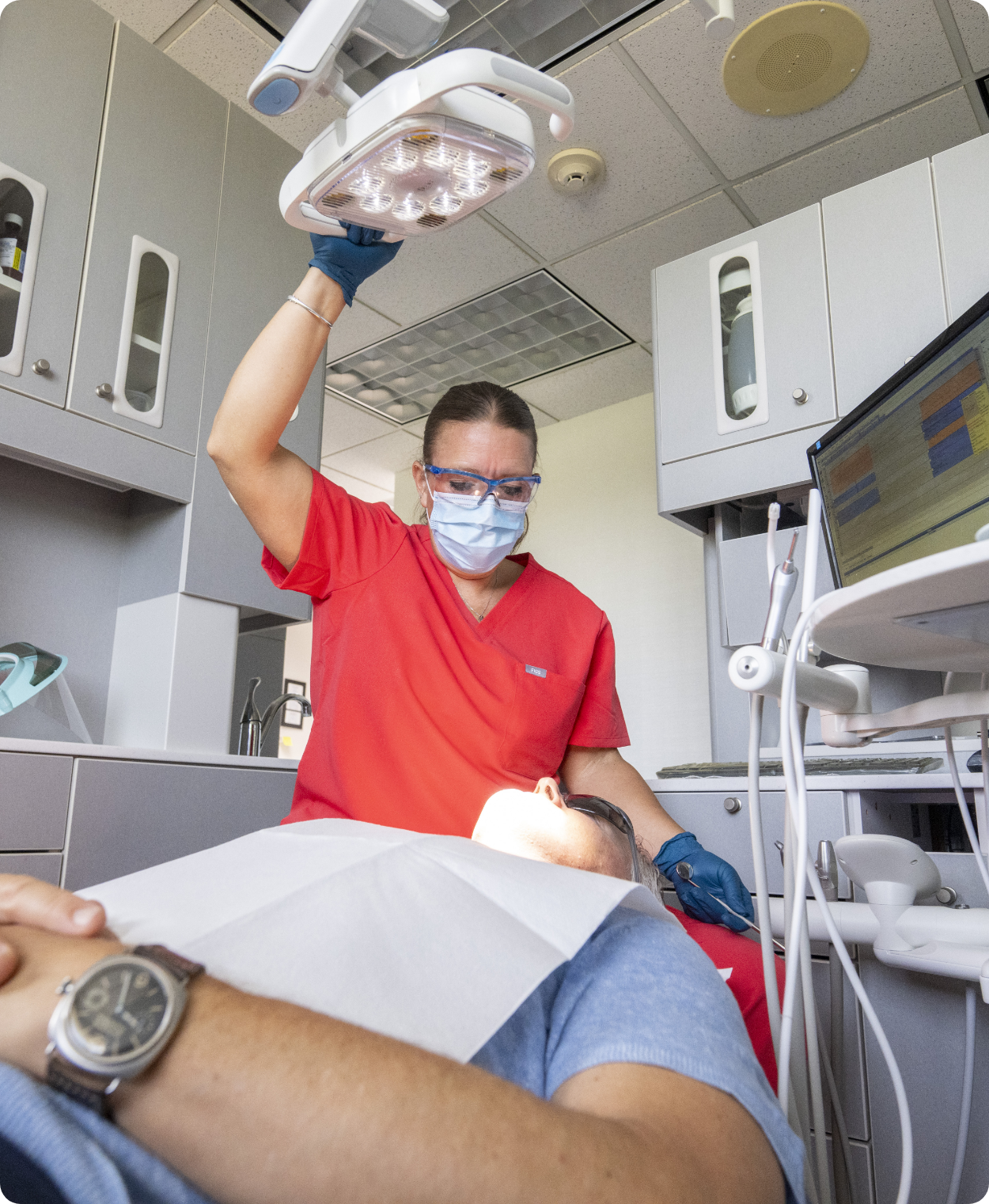
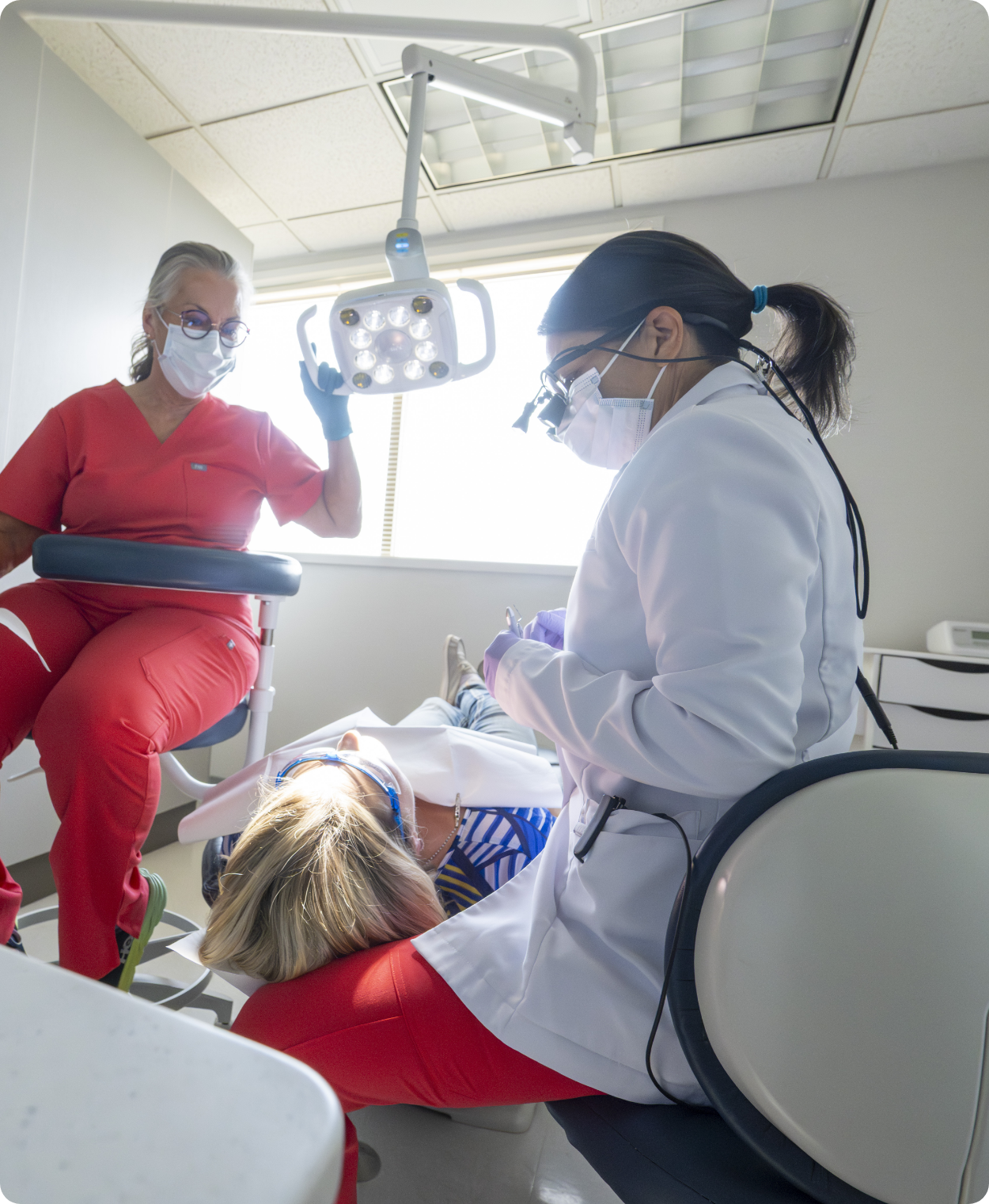
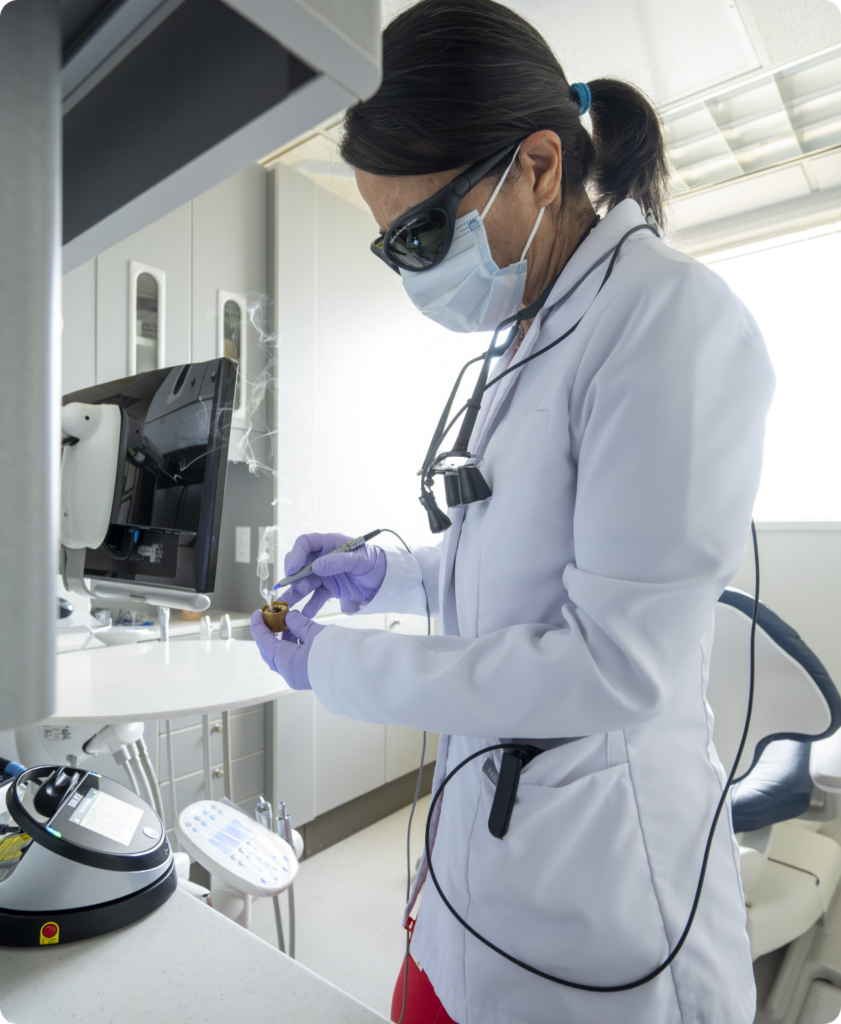
In cases where significant bony changes have accompanied periodontal disease or where pockets remain even after scaling and root planing, laser-assisted periodontal surgery is performed to reduce pockets and improve the contour of the bone and gums around the teeth. This procedure involves reflecting (folding back) the gum line to create access to adequately treat the root surfaces and the supporting bone. During periodontal surgery, certain regenerative procedures, such as bone grafts and guided-tissue regeneration, can be performed. The ultimate goal is to reduce pockets and improve your gum’s attachment level to your teeth. Laser-Assisted Periodontal surgery is typically done under local anesthesia.
Benefits of Laser-Assisted Periodontal Surgery:
Less Invasive
The laser targets and removes only diseased tissue and bacteria, leaving healthy tissue intact.
Reduced Pain and Discomfort
Because it’s more targeted, some patients experience less pain and discomfort during and after the procedure compared to traditional surgery.
Improved Tissue Regeneration
Using the body’s natural healing response, the additional healthy tissue the laser leaves behind can help promote the regeneration of gum tissue and supporting bone.
Soft Tissue Grafting
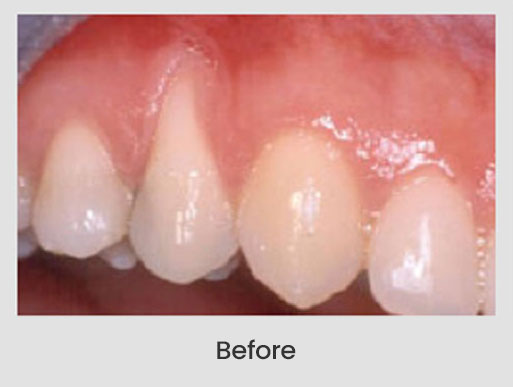
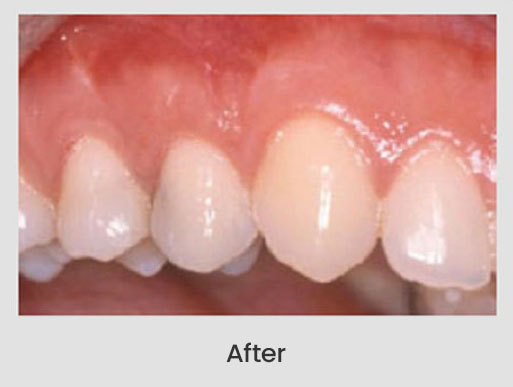
Soft tissue grafts, often called gum grafting, is a procedure used to cover exposed root surfaces and replace gum tissue to improve gum recession. The recession may have occurred for a variety of reasons, including aggressive tooth brushing, periodontal disease, genetics, or a combination of factors including grinding and clenching of the teeth. The benefits of grafting include improved appearance, protection of the root surface and reduced tooth sensitivity. Grafts can be provided for a single area or multiple teeth and can be treated in one appointment. Soft tissue grafts also may be used to re-establish normal gum contours following tooth loss or trauma. Improvements in contour lead to improved appearance and reduction of food collection around the teeth.
Benefits of soft tissue grafting:
Reduces sensitivity
By covering exposed tooth roots, grafting can help alleviate sensitivity to hot and cold.
Looks better
Restoring gum tissue can create a more attractive smile.
Prevents further gum recession
Helps slow or stop gum recession — and potential tooth loss.
Stronger support for teeth and implants
Grafted tissue provides a stronger foundation for teeth and dental implants.
Soft Tissue Grafting
Bone Grafting
Bone Grafting
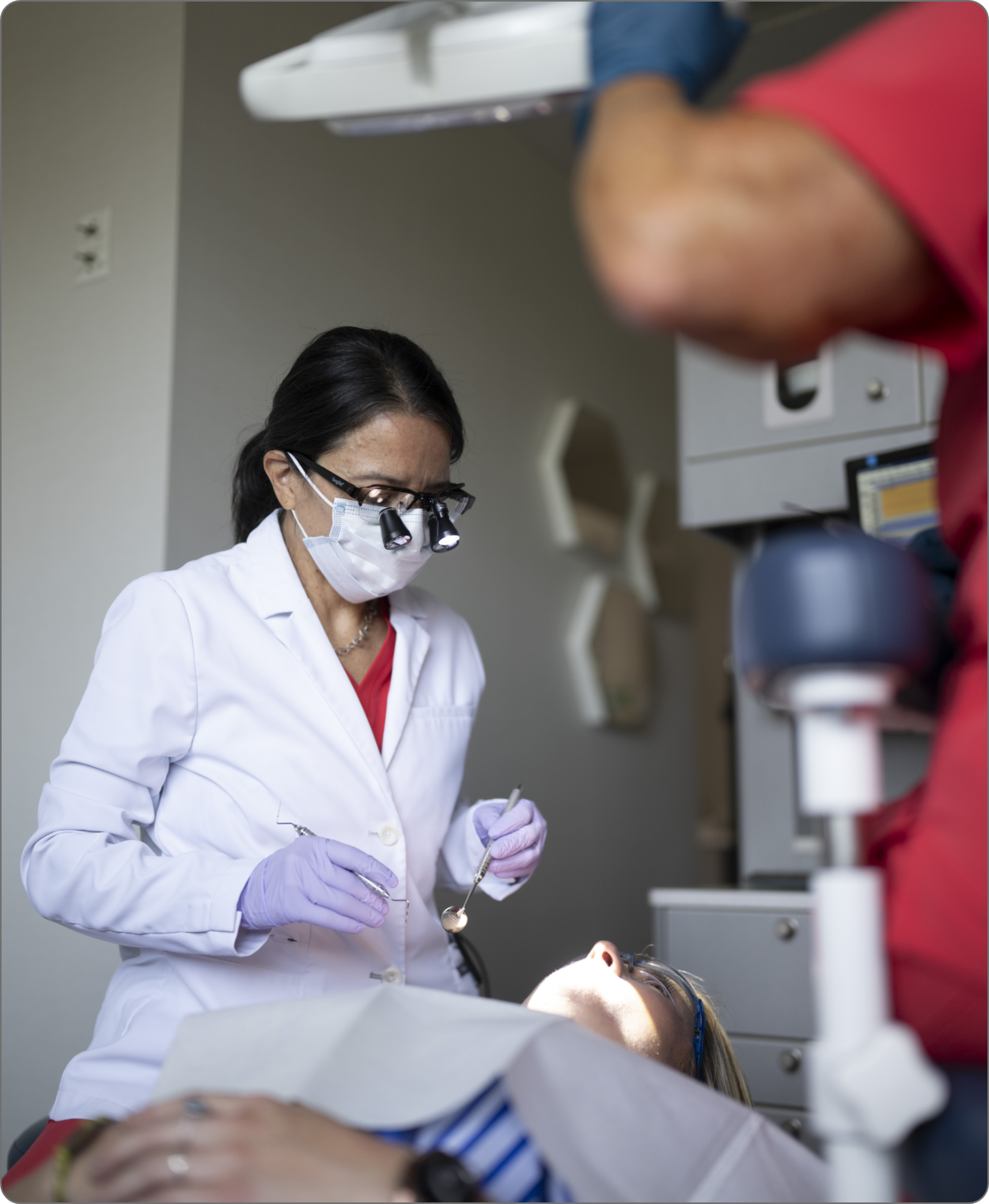
When a tooth is lost or removed, the surrounding bone can change, which may affect future dental care. In addition, periodontal disease can result in deep pockets and bone loss around the teeth. That’s why protecting the jawbone with bone grafts to stimulate bone regeneration and attachment is an important step—it supports successful treatment and helps keep your mouth healthy.
Regenerative procedures like bone grafts are often done with, or as part of, periodontal surgery. They often involve the placement of a membrane, which is used to cover the bone graft and prevent the gum tissue from interfering with bone healing. Recent advances in periodontal regeneration have produced products that stimulate the body’s ability to regenerate lost periodontal structures.
Benefits of Bone Grafting:
Preserves the Jawbone
A bone graft works as a scaffold that allows your own bone to grow around natural teeth or where you have lost a tooth. Preserving and augmenting the bone.
Support Adjacent Teeth
Bone grafts reinforce the jaw where teeth have been lost, helping preserve the vertical bone height around adjacent natural teeth.
Preparing for Dental Implants
Dental implants need to be placed in thick and healthy bone for long term success.
Improved Facial Esthetics
Helps maintain the natural contours of the jawbone and facial features.
Crown Lengthening
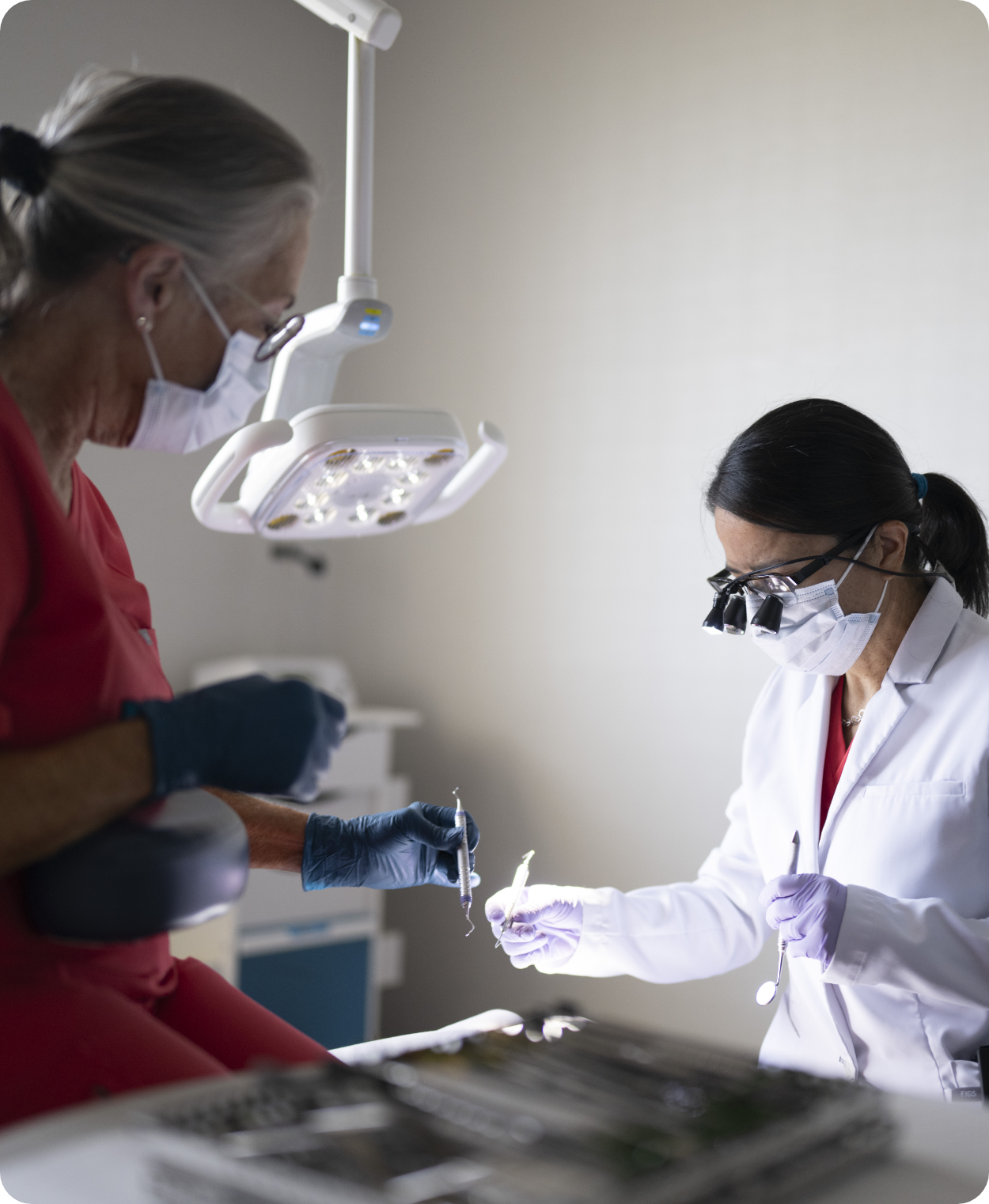
Sometimes when a tooth is damaged or worn down, there just isn’t enough of the natural tooth showing above the gum line to properly support a crown or other restoration. That’s where crown lengthening comes in. This procedure gently reshapes the gum tissue—and sometimes the bone around the tooth—so that more of the tooth structure is exposed. By creating this extra space, we can make sure your new crown or restoration has a strong, stable foundation to hold onto.
Crown lengthening is often recommended in situations where a tooth has fractured near the gum line, has a cavity that extends deep under the gums, or has been affected by resorption (where part of the tooth structure is lost). It’s also helpful if a tooth is simply worn down over time. Without this procedure, a crown placed too far under the gums could trap bacteria, irritate the tissues, and lead to gum problems down the road.
During the crown lengthening procedure, we’ll carefully adjust the gums and surrounding tissue so more of the healthy tooth is visible. This makes it possible for your crown to fit comfortably and securely—without putting your gums at risk.
After the procedure, there’s a healing period before we move forward with your permanent restoration. Most patients need to wait anywhere from six to twelve weeks, depending on how the tissues respond. This healing time is important because it allows your gums to settle into their new position, ensuring that when your final crown is placed, it looks natural, feels comfortable, and lasts for years to come.
Benefits of Crown Lengthening:
Save a Damaged Tooth
Restore teeth fractured or decayed below the gum line.
Improve Aesthetics
Reshapes excess gum tissue to make teeth look longer and more balanced.
Facilitate Restorations
Provides enough tooth exposure for crowns, fillings, or other treatments.
Enhance Oral Hygiene
Exposes more tooth surface, to make cleaning easier and prevent buildup.
Prevent Damage
Reduces areas where bacteria can collect, lowering risk of decay and gum disease.
Avoid Extraction:
Can save teeth that would otherwise need to be removed and replaced.
Crown Lengthening
3D Imaging
3D Imaging
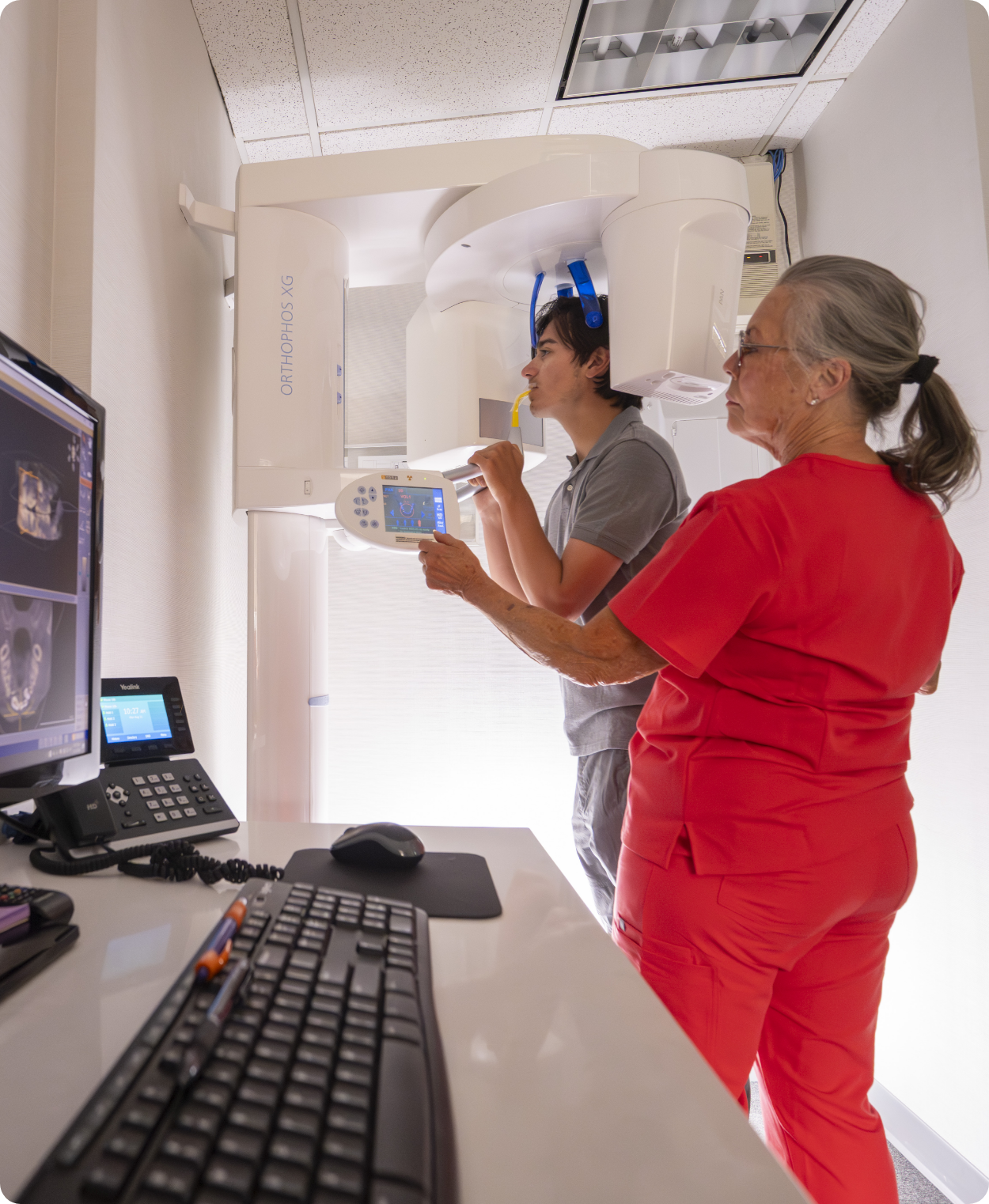
At Wayzata Periodontics & Implants, we are proud to offer the latest 3D/Cone Beam imaging. This advanced high-definition technology captures panoramic, three-dimensional digital views from multiple angles – all in just seconds and in the convenience of our office. The cost is lower than traditional imaging, with significantly less radiation. Most importantly, 3D/Cone Beam imaging provides the most accurate and complete information to confirm periodontal issues and define a treatment plan.
The 3D/Cone Beam imaging system is mounted on a rotating arm. It is referred to as a “Cone Beam” because the scanner projects digital images in a carefully controlled, cone-shaped beam. The scanner moves in a complete circle around the patient’s head, gathering all of the required scans and data. Once the scan is completed, the images are viewed on a large monitor, with high-definition 2D, 3D and panoramic views of the entire mouth at different angles and magnifications. These images can be transmitted to referring dentists for further consultation and follow up.
Benefits of 3D imaging:
Improved Diagnostic Accuracy
Gives a complete view of the mouth for more precise diagnosis and planning.
Enhanced Treatment Predictability
Provides detailed anatomy for accurate implant placement and surgical success.
Reduced Time and Cost
Helps avoid extra surgeries, shortening treatment and lowering costs.
Better Patient Experience:
Greater accuracy and less invasive care lead to a smoother experience.
Guided Biofilm Therapy - Regular maintenance
Sticking with regular maintenance care is one of the best ways to make sure your periodontal and implant treatments last for the long haul. Guided Biofilm Therapy (GBT) is an advanced method of professional dental cleaning that targets biofilm — the primary cause of tooth decay, gingivitis, and periodontal disease. By focusing specifically on biofilm removal, GBT supports not only oral health but overall wellness. It emphasizes prevention and long-term health rather than simply addressing symptoms.
Why removing the Biofilm is so important
Biofilm is a thin, sticky and slimy matrix of microorganisms also known as dental plaque, that sticks to teeth, gums, your tongue and dental restorations. If the biofilm accumulates, it can lead to persistent inflammation and gum disease. Studies have shown associations between untreated gum disease and broader health concerns, including cardiovascular conditions and complications related to diabetes.
The Technology behind GBT
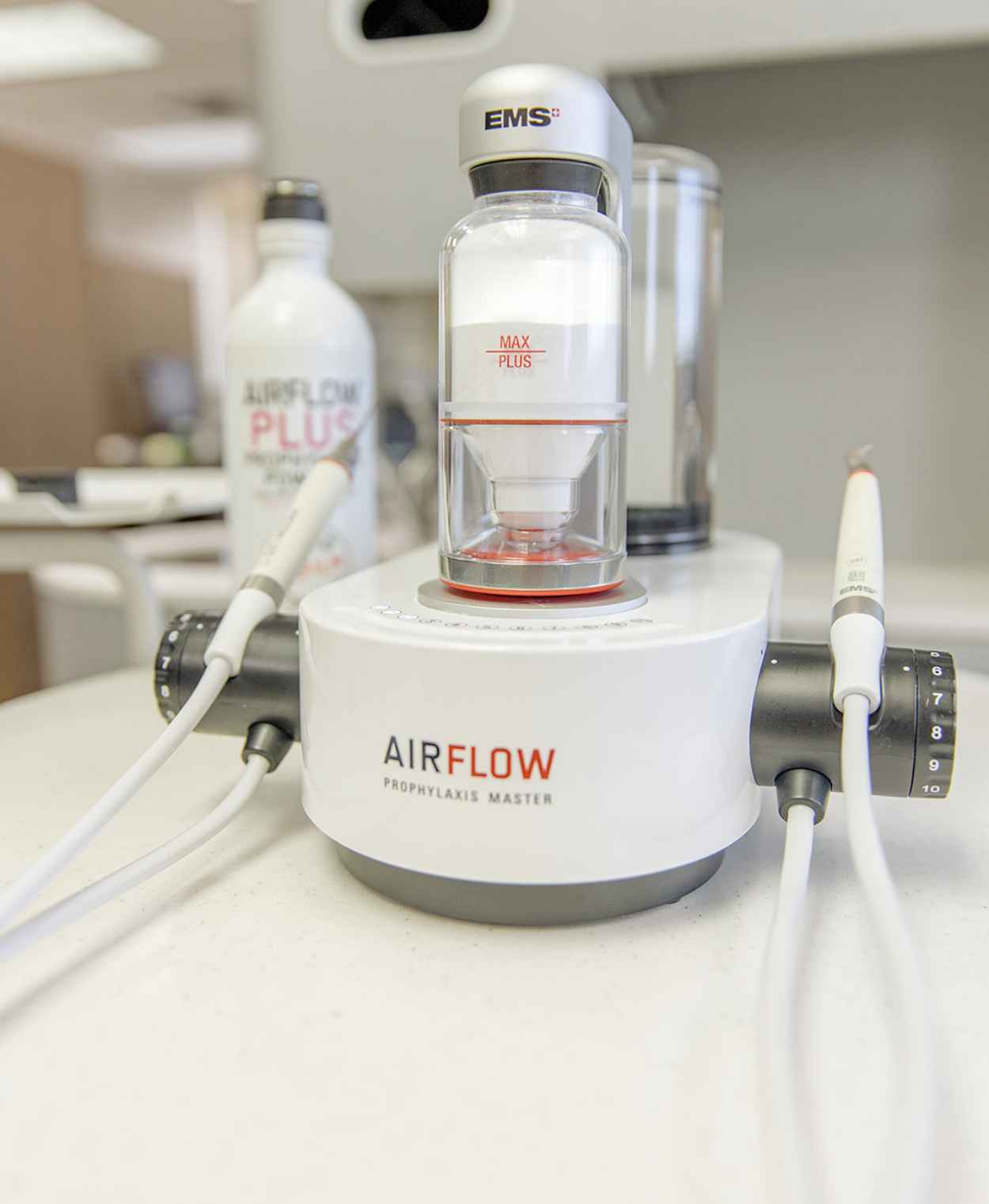
A key component of GBT is the EMS Airflow® system. This technology combines warm water, specialized fine powder, and controlled air pressure to lift biofilm from teeth and soft tissues efficiently and comfortably.
The system can clean along the gumline, between teeth, on the tongue, and even several millimeters below the gums — areas that are often difficult to reach with conventional tools.
Instead of gritty polishing paste, patients experience a smooth, warm, and quiet cleaning process that feels noticeably gentler.
Benefits of GBT:
Enhanced Patient Comfort
The use of warm, adjustable water makes the treatment especially suitable for patients with sensitive teeth or tender gums.
Quieter, Gentler Treatment
Because the Airflow system minimizes scraping and grinding, appointments tend to feel less invasive and less noisy than traditional cleanings.
More Thorough Results
By accessing hard-to-reach areas, GBT helps reduce recurring gum irritation and supports cleaner teeth between visits.
Guided Biofilm Therapy - Regular maintenance
Diagnosis and Treatment of Periimplantitis
Diagnosis and Treatment of Periimplantitis
The most common reasons implants fail are poor oral hygiene, a history of gum disease (periodontitis), and smoking. When teeth and implants aren’t cleaned well, bacteria can build up on the implant surface, causing inflammation in the gums around it—this is called peri-implant mucositis. If it’s not treated, mucositis can turn into a more serious problem called peri-implantitis. That’s when the inflammation gets worse and the bone supporting the implant starts to break down. Eventually, the implant can become loose and might need to be replaced, which could mean more surgery to rebuild the bone.
It’s important to know that peri-implant diseases can damage tissues and bone much faster than regular gum disease. Plus, peri-implantitis tends to be tougher to treat. If you’ve had periodontitis before, your risk for implant complications goes up. That’s why you need to be free of gum disease before getting an implant—and you have to keep your gums and natural teeth healthy to prevent it from coming back. In fact, about 22% of implants in patients with periodontitis end up developing peri-implantitis. So, good home care and regular dental visits are really important.
Sometimes, it’s hard to tell if mucositis or peri-implantitis is happening, but watch out for these warning signs:
- Gums that bleed more easily when you brush or floss
- Swollen gums
- Bad breath or a strange taste in your mouth
- The implant, bridge, or dentures feeling loose
Regular check-ups with your dentist can catch problems early and help prevent these issues from getting worse. If you notice any signs of inflammation around your implant, be sure to book an appointment with your dentist or periodontist right away.
Oral Diagnosis and Biopsies
Periodontal Diagnosis and Biopsies
When it comes to gum health, we use two important tools: oral diagnosis and biopsies. Together, these approaches can help us identify problems, confirm what’s happening, and guide the best treatment plan for your case.
Oral Diagnosis
We carefully examine your mouth and do a visual cancer screening. This includes looking at the condition of your gums, soft tissues and teeth, measuring the depth of any gum pockets, and sometimes taking X-rays or 3D images to see what’s happening beneath the surface.
Periodontal Biopsies
If something unusual is noticed, such as a suspicious spot or growth, a biopsy may be recommended. This simply means removing a very small piece of tissue so that a pathologist can examine it under a microscope and determine whether the area is harmless or needs treatment, so we can decide on the next steps.
Why Biopsies Matter
- They provide a precise diagnosis by allowing tissue to be examined up close.
- They guide your dentist or periodontist in choosing the most effective treatment.
- They can detect conditions early—such as the first signs of oral cancer—so treatment can begin promptly.
Common Types of Biopsies
- Incisional biopsy: A small portion is removed from the edge of the area.
- Excisional biopsy: The entire area is taken out, along with a small margin of healthy tissue.
- Brush biopsy: A special brush is used to collect cells from the surface.
Oral Diagnosis and Biopsies
Extractions
Extractions
What to Expect During a Tooth Extraction
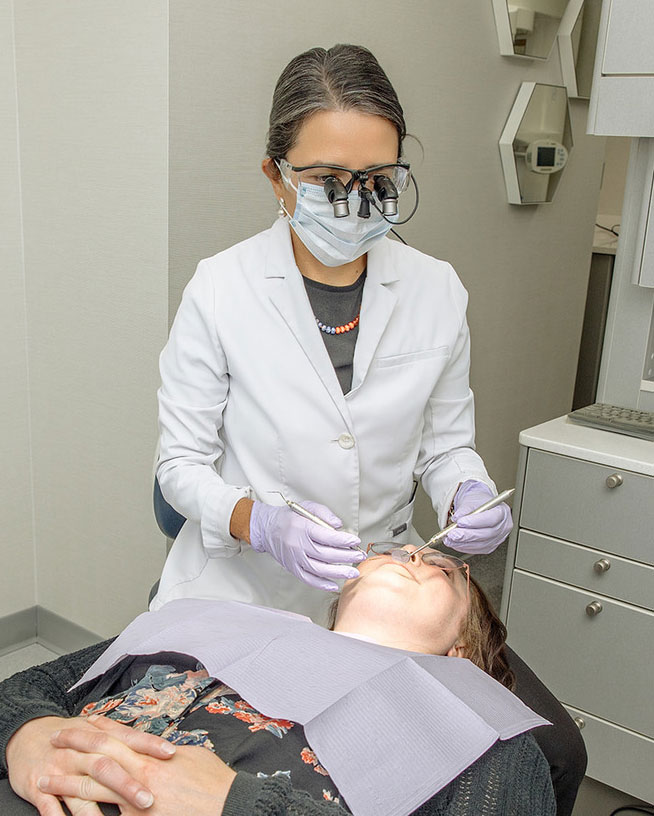
Before we get started, we’ll gently numb the tooth and surrounding gums so you’ll feel comfortable throughout the procedure. Using special tools, we’ll carefully loosen the tooth and lift it out of the socket. In some cases—like if a tooth is broken, severely decayed, or hard to reach—we may need to make a small opening in the gum to remove it safely. Once the tooth is out, we’ll clean the area, and place a bone graft to help protect your jawbone for the future.
Right After the Extraction
When we’re finished, we’ll place a piece of gauze over the spot and have you bite down with steady pressure. This helps slow the bleeding and allows a protective blood clot to form. A little light bleeding over the next 24 hours is normal, and we’ll give you clear instructions on how to care for the area at home.
Why a Tooth Extraction Can Be Helpful
- Gets rid of infection or bacteria that could spread to other teeth and gums
- Prevents bigger dental problems from developing later on
- Helps protect your overall oral health
- Relieves pain from broken, infected, or badly damaged teeth
Healing and Recovery
Most people feel back to themselves within just a few days, though healing time depends on the type of extraction. You’ll usually be able to get back to your normal routine within 2–3 days. The jawbone itself, however, needs more time—usually several weeks—to heal completely. If you’re planning to replace the tooth with an implant, we’ll recommend waiting a few months to make sure your mouth is fully ready.